Distinguish LDAP user groups from others (small UX/UI suggestion)
Nobody has claimed this yet.
- Dominant language
- PHP
- Stars
- 36.9k
- Forks
- 5.2k
- Avg merge
- 2d 3h
- Merged PRs (30d)
- 713
Description
Is your feature request related to a problem? Please describe.
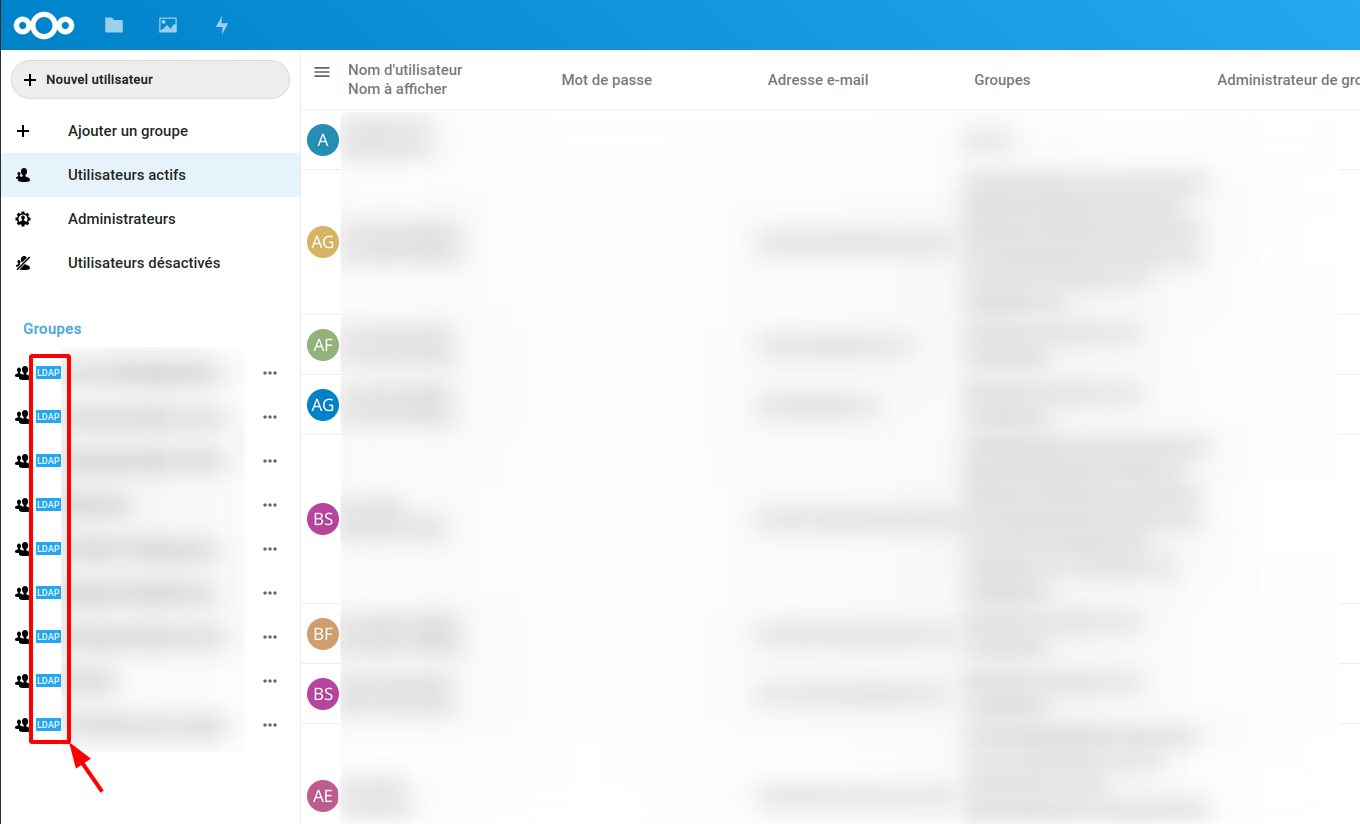
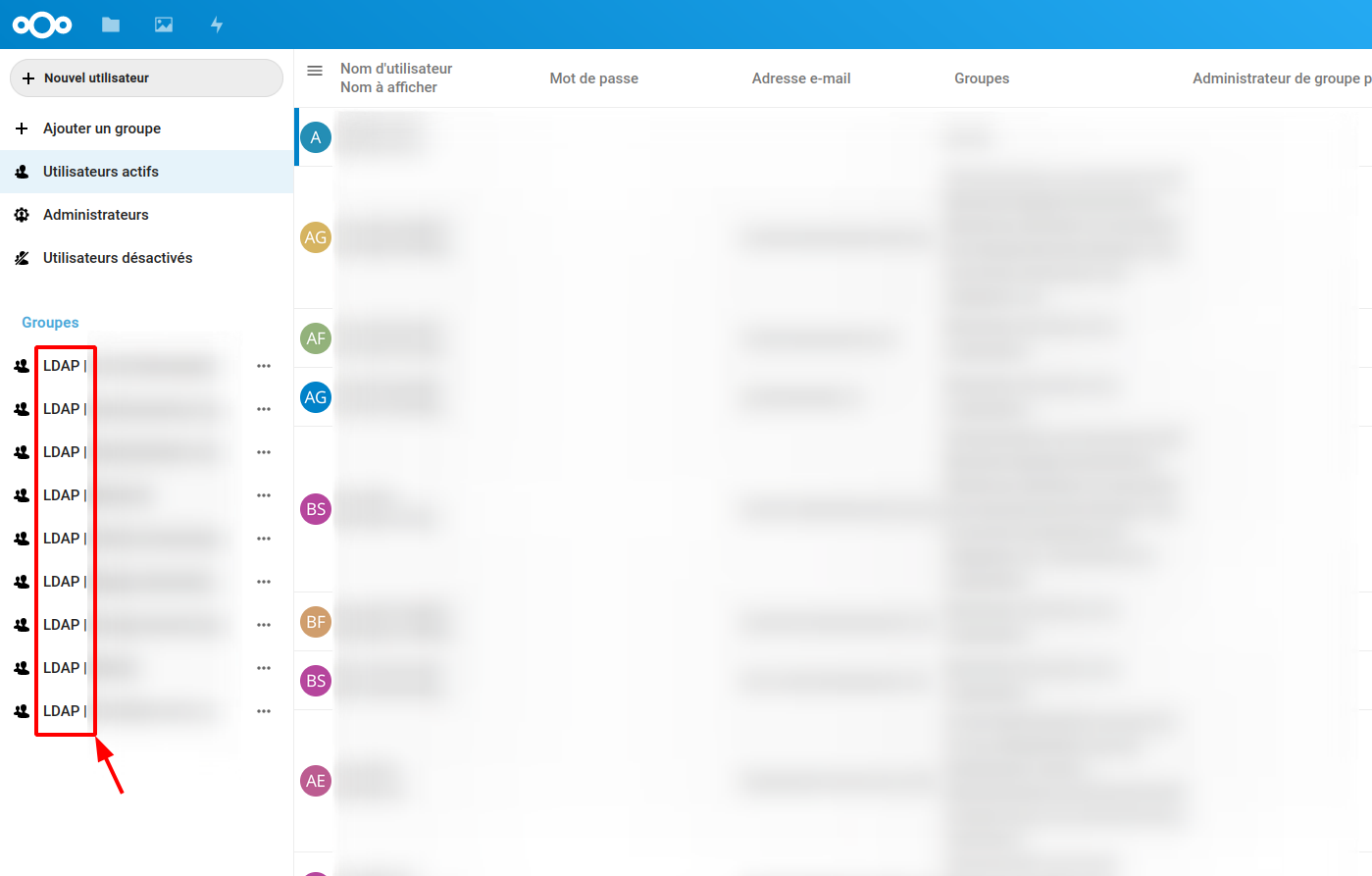
It can be interesting to distinguish between external user groups (from an LDAP directory) as these do not work like local groups and should attract attention, especially if there are both local and LDAP groups in the same Nextcloud instance.
Here are two graphical suggestions assuming that "in the program", at this point in the interface, you can retrieve the origin of the group, which will allow you to insert the word "LDAP" before the label, with enough CSS to make it visible.
Describe the solution you'd like
Describe alternatives you've considered
Contributor guide
First steps
- Read the whole issue, then the project's contributing guide.
- Comment on the issue to say you are picking it up — it saves two people doing the same work.
- Fork the repository and make your change on a branch.
- Open a pull request that references the issue number.
Research direction
Start at the group-management interface described in the issue and trace how the origin of LDAP-backed groups can be identified. Make the distinction visible for both LDAP and local groups, then verify the labels and styling in the interface with mixed group types.
Written by the indexing model from the issue text.
Assessment
- Tech stack
- javascript, php
- Domain
- frontend
- Issue type
- Feature
- Difficulty
- 3/5
- Estimated time
- 1-2 days
- Activity status
- Stale
- Clarity
- Mostly clear
- Newbie friendliness
- 45/100