musescore / musescore/MuseScore
[MU4 Issue] Text placement in frames based on glyph boundaries instead of ascent and descent lines
Nobody has claimed this yet.
- Dominant language
- C++
- Stars
- 15.1k
- Forks
- 3.3k
- Avg merge
- 2d 2h
- Merged PRs (30d)
- 91
Description
Describe the bug
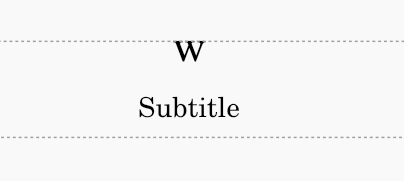
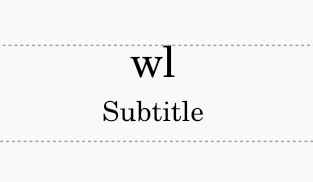
Text in frames, such as the title and composer texts, are aligned using the highest and lowest boundaries of the glyphs instead of by their ascent and descent heights.
To Reproduce
Steps to reproduce the behavior:
- Create a new score
- Change the title to ‘w’
- Add an ‘l’ at the end of the title
Expected behavior
The ‘w’ should stay at the same vertical level regardless of whether it is followed by the ‘l’ or not.
Screenshots
The ‘w’ changes its vertical level when the ‘l’ is added or removed.
Platform information
- OS: Linux
Additional context
This also applies to text aligned to the bottom of a text frame, such as the composer text. (This can be observed by alternating between ‘w’ and ‘yw’.)
Contributor guide
First steps
- Read the whole issue, then the project's contributing guide.
- Comment on the issue to say you are picking it up — it saves two people doing the same work.
- Fork the repository and make your change on a branch.
- Open a pull request that references the issue number.
Research direction
Reproduce the issue in MuseScore by creating a score, changing the title between “w” and “wl,” and alternating composer text between “w” and “yw.” No source file or test is named in the issue, so first locate the text-frame placement code and relevant tests from the reproduction path. Done means glyph placement uses ascent and descent heights consistently, keeping the text at the same vertical level.
Written by the indexing model from the issue text.
Assessment
- Tech stack
- cpp
- Domain
- desktop
- Issue type
- Bug
- Difficulty
- 4/5
- Estimated time
- 3-5 days
- Activity status
- Stale
- Clarity
- Mostly clear
- Newbie friendliness
- 35/100