Open Platform — Micro-Frontend Solution for Subsystem Integration
Nobody has claimed this yet.
- Dominant language
- No language data
- Stars
- 37
- Forks
- 3
- PR merge metrics
- No merged PRs in 30d
Description
| Duration | Mar 2021 ~ May 2021 |
| Company | OC |
| Role | Project Lead / Architect / Product Manager |
📋 Project Overview
Background
(Click to expand)
In order to solve the following problems:
- Various infrastructure systems (“subsystems”) are scattered across the company / difficult to find and use / inconsistent user experience;
- Repetitive work / inconsistent development standards / high cost when developing basic functions for subsystems;
- Developers’ workflows around the application dimension are not yet fully integrated, etc.
We decided to:
- Build an “Open Platform” based on the “R&D Platform” v2, and connect subsystems to the platform in a standardized way.
- Open up the basic data and capabilities of the “R&D Platform” through OpenAPI to enhance the functionality and experience of each subsystem.
- Integrate the functions of each subsystem around the application dimension into the platform, and connect the workflow of the application dimension.
Responsibilities
- Proposed to the CTO to initiate this project, taking full ownership as project lead.
- As the architect, designed the platform’s core mechanisms, workflows, UI, back-end OpenAPI specs, and front-end SDK; guided the DevOps team and the front-end team to deliver the solution.
Achievements
- This project explored a solution of infrastructure system integration that fits the company’s current situation. After going live, it has connected to more than 20 internal management systems and “R&D Platform”.
- This solution has won unanimous praise from developers and users of each system for its low access cost and good user experience. The CTO commented: “It can meet the infrastructure needs of the company for the next 5 years.”
- This project successfully applied for a software copyright in China.
✨ Highlights
Technical Highlights
- A Micro-Frontend solution based on iframes, which solves some of the problems traditionally associated with iframes:
- Inconvenient communication between frameworks
- Sub-applications requiring repeated logins
- Losing sub-application routing state when the host application refreshes
- Data transmission when jumping between sub-applications
- The host application passing URL parameters to the sub-application
- The host application not being able to perceive the running status of the sub-application
- Offloading the migration work to the SDK as much as possible to reduce the migration cost for subsystems.
Product Highlights
- Not only a Micro-Frontend solution, but also an “App Market” for subsystems.
- Subsystems can expose functions to application dimension in the form of “Widgets”, connecting the workflow of the application dimension.
🎬 Related Videos
📎 Related Materials (Excerpts)
Design Documents
-
The evolution of the development for infrastructure projects:

-
The operating principle of an “Open App”:
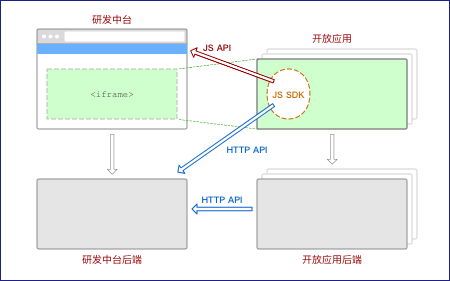
-
The operating principle of a “Widget”:

-
Registration mechanism:
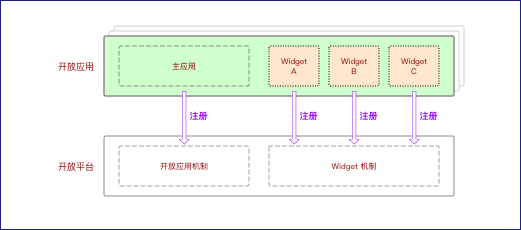
-
OpenAPI Specs:
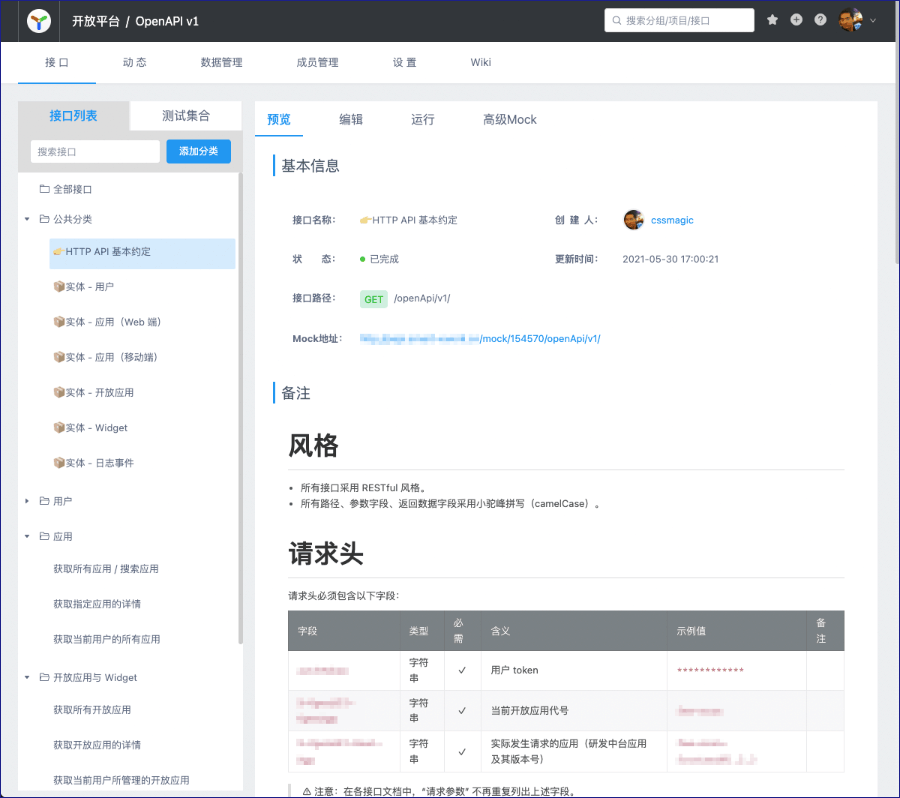
UI Prototypes
-
App Market > Open App detail page:
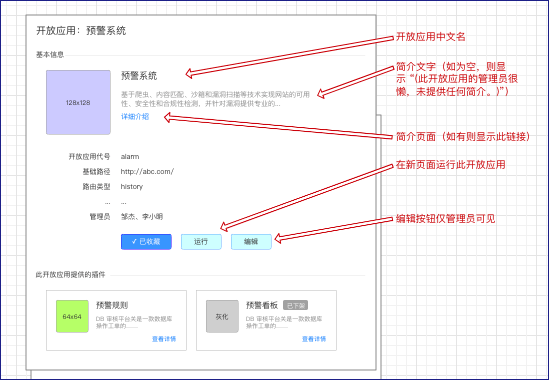
-
App Market > Widget detail page:
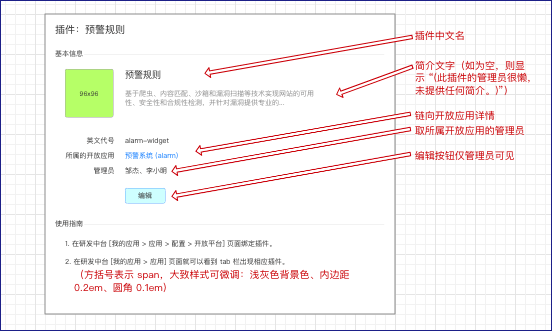
-
Binging widgets to an application on “R&D Platform”:
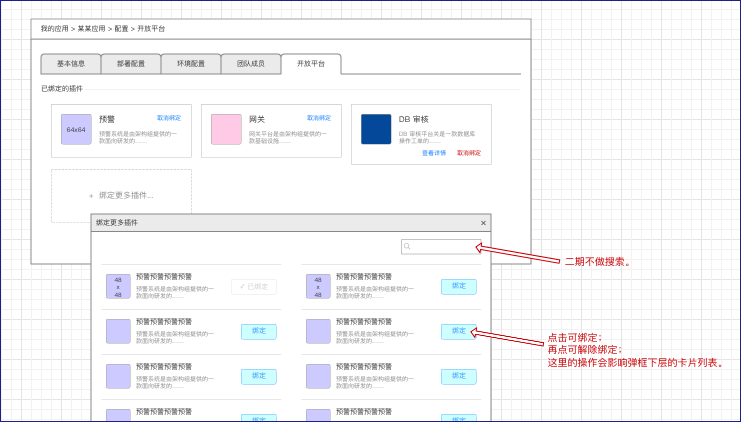
UI Screenshots
-
The “Open Platform” menu in the “R&D Platform” (initial status):
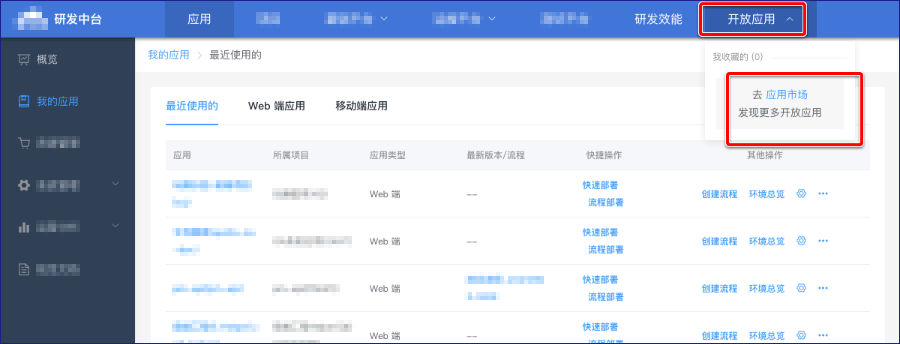
-
The App Market of the “Open Platform”:
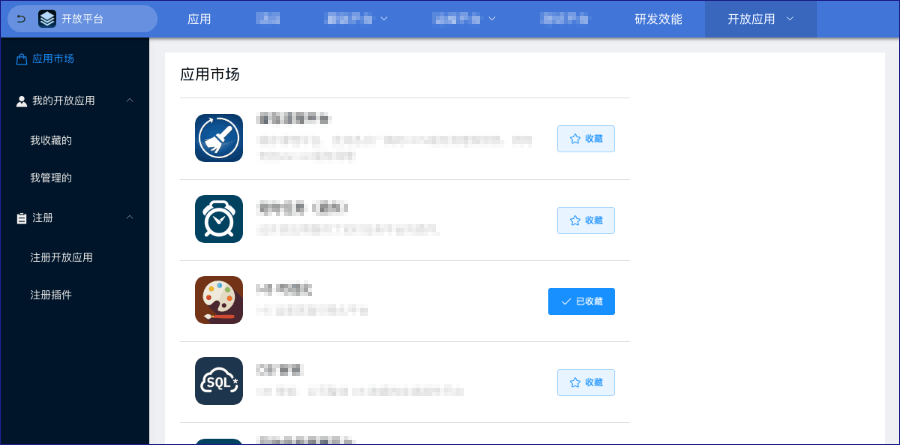
-
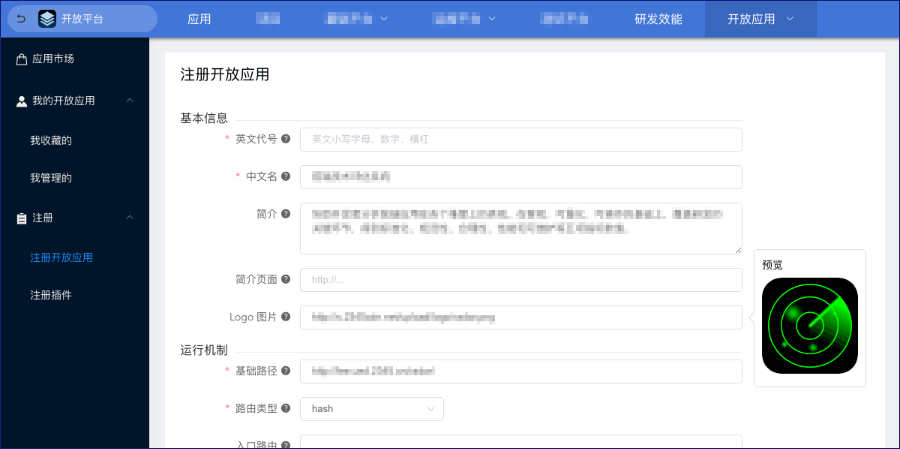
Registering an “Open App”:
-
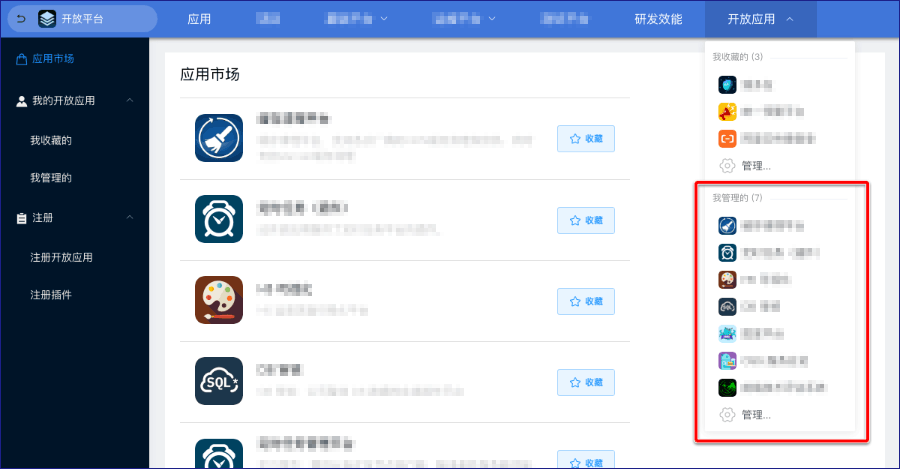
The “Open Platform” menu in the “R&D Platform” (status after successful registration):
-
“Open App” detail page:

Presentations (Cover Only)
-
Reporting the design proposal to the CTO:

-
Reporting the design proposal to the CTO (continued):

-
Presenting to the technical team leads in the “Tech Center Weekly Meeting”:

-
Reporting the development plan to the CTO:

-
Presenting to the front-end team in the “FE Workshop”:

Others
-
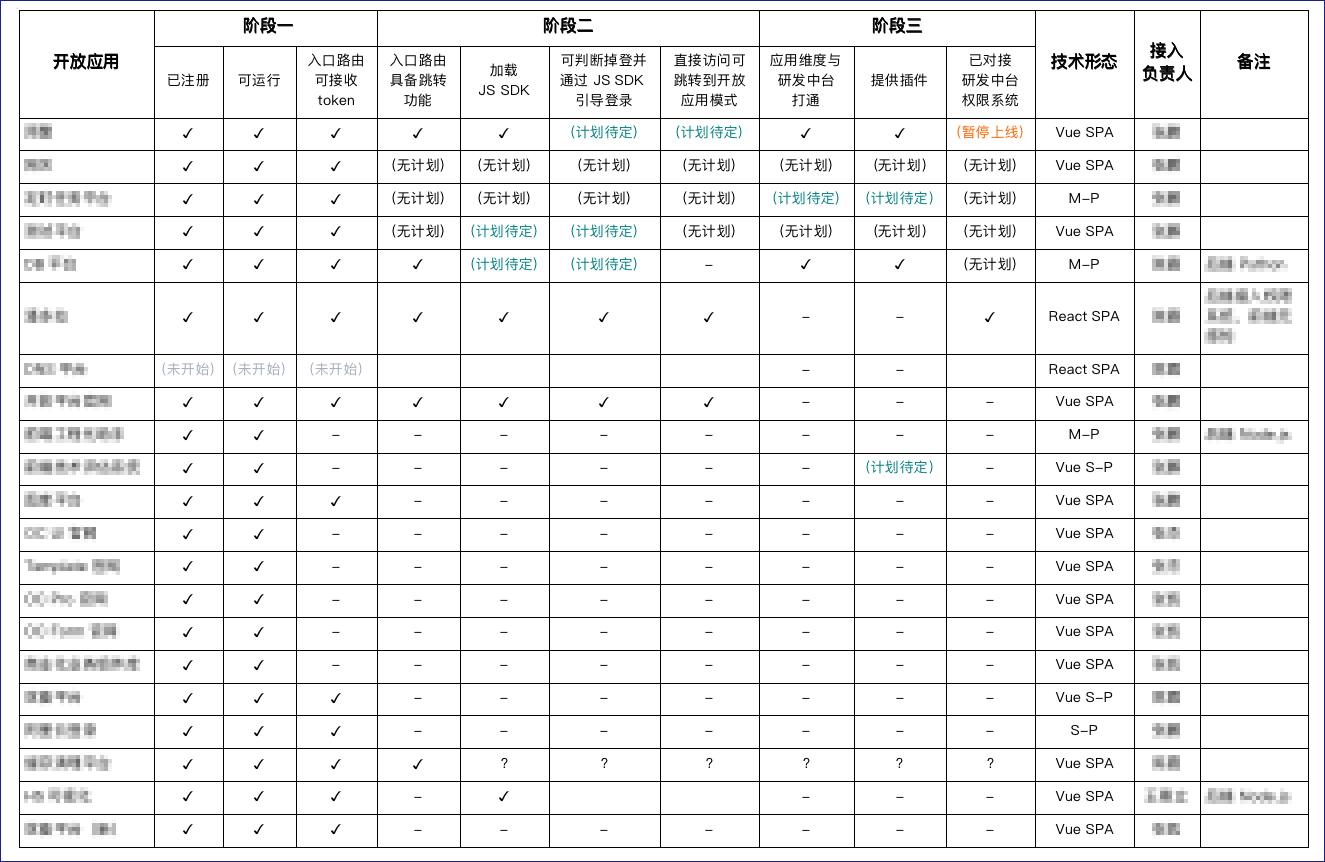
Progress of subsystem integration:
🔗 Related Links
- Company Projects:
© 经验分享 · 日拱一卒 | Star = 收藏 | Watch = 订阅
Contributor guide
No contributing guide indexed for this repository
First steps
- Read the whole issue, then the project's contributing guide.
- Comment on the issue to say you are picking it up — it saves two people doing the same work.
- Fork the repository and make your change on a branch.
- Open a pull request that references the issue number.
Research direction
The issue contains a project overview, OpenAPI references, UI materials, and related links, but names no repository files or tests. Start by reviewing the issue body and its linked materials; a specific documentation target and acceptance criteria are needed before completion can be defined.
Written by the indexing model from the issue text.
Assessment
- Tech stack
- openapi
- Domain
- content, documentation
- Issue type
- Documentation
- Difficulty
- 5/5
- Estimated time
- Over a week
- Activity status
- Quiet
- Clarity
- Needs clarification
- Newbie friendliness
- 15/100